
Understanding the psychology behind gambling habits in casinos

Understanding the psychology behind gambling habits in casinos
The Thrill of Uncertainty
The psychology behind gambling in casinos often hinges on the thrill of uncertainty. Players are drawn to the unpredictability of games, where outcomes are not guaranteed, and every decision could lead to significant wins or losses. To enhance this experience, many are now exploring ways to make secure deposits through casino google pay, which adds to the excitement while ensuring safety. This sense of excitement creates a rush, triggering the brain’s reward system and releasing dopamine, which can lead to addictive behavior.
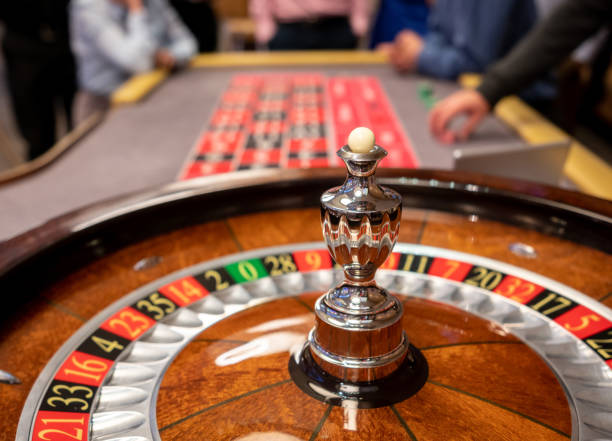
Moreover, this unpredictable nature of gambling can create a phenomenon known as “loss chasing,” where players continue to gamble in hopes of recouping lost funds. This mindset can lead to a cycle of continuous betting, as individuals become entrapped in the hope of turning their luck around.
Understanding Odds and Probabilities
At the core of every game in a casino lies the concept of odds and probabilities. Many players may not fully understand these principles, leading to irrational betting behaviors. For instance, the odds of winning at games like roulette or slots are often stacked against players, yet this does not deter them. Instead, the allure of potential winnings tends to overshadow rational thought.
Furthermore, cognitive biases can skew a player’s perception of probability. For example, the “gambler’s fallacy” leads individuals to believe that past outcomes influence future results, despite each spin of the wheel or roll of the dice being independent events. This misunderstanding can fuel a belief in “due” outcomes, prompting players to wager more aggressively.
The Role of Social Interaction
Casinos are social environments that enhance the gambling experience. The presence of other players can amplify excitement, making individuals more likely to place bets. Social interaction is a key psychological component, as people often feel more comfortable and emboldened when surrounded by others who share their interests in gambling.
Additionally, group dynamics play a crucial role in reinforcing gambling habits. Players may find themselves influenced by the behaviors and attitudes of their peers, leading to a collective excitement or pressure to engage more deeply in gaming activities. This social environment can blur the lines between leisure and compulsion, encouraging longer playing sessions.
The Impact of Marketing and Design
Casino operators utilize psychological principles in their marketing and design to attract and retain players. Bright lights, captivating sounds, and strategically placed machines create an immersive atmosphere that entices individuals to spend more time gambling. This sensory overload can lead to a disconnection from reality, making it easier for players to lose track of time and money.
Moreover, promotional offers and loyalty programs tap into the psychology of reward. By providing incentives, casinos encourage repeat visits and foster a sense of belonging among players. This can reinforce gambling habits, as individuals become attached to the rewards and social aspects associated with their gaming experiences.

Enhancing Your Online Gaming Experience
Understanding the psychology of gambling can greatly enhance your online gaming experience. By recognizing the psychological triggers that influence your behavior, you can make more informed decisions and manage your gambling habits effectively. Whether it’s setting limits or taking breaks, being aware of these factors can lead to a more enjoyable and responsible gaming experience.
Many online casinos now prioritize player education, offering resources and tools to help individuals understand the risks associated with gambling. This commitment to player well-being is essential for fostering a safe and enjoyable environment, allowing you to enjoy your gaming while remaining mindful of your habits.